Sheet A-00 · General arrangement
Son of Omenka Uche Ajuonuma
Senior mechanical engineer. Thirteen years spent on the systems that are not allowed to fail — advanced nuclear pressure boundaries, thermal processing plant, high-pressure wellhead control, rotating machinery.
I take a requirement and a blank sheet and hand back commissioned hardware: first-principles loads, thermal and structural evaluation, drawings a shop can actually build from, and the paperwork that makes it defensible.
Currently — Senior Mechanical Engineer, Nano Nuclear Energy Inc.
Or read the résumé in full →
The brief
Nothing I design is allowed to fail quietly.
A reactor pressure boundary at multi-MPa and high temperature. A cobalt-60 handling cell where the operator cannot be in the room. A wellhead lockout that has to hold when the well does not. Different industries, one property in common: the failure mode is somebody’s life, or a plant, or a decade of programme schedule.
That constraint shapes how I work. I develop loads from first principles rather than inheriting them. I make thermal expansion, creep and fatigue argue with each other early, while the geometry is still cheap to move. I write the design basis as I go, so the analysis, the requirement and the part in the shop never drift apart.
The same discipline transfers cleanly to resilient data-centre cooling infrastructure — heat rejection at scale, pressure systems, constructability, and vendors who need an answer today.
Field record
Sectors: advanced nuclear · thermal processing · oil & gas · precision rotating machinery · automotive production. Codes: ASME BPVC III & VIII, B31.1, B31.3, Y14.5; CSA N285.0, B51, Z662.
Six things I was responsible for.
Not a gallery. Each one lists the constraint, the decision that resolved it, and what it cost.
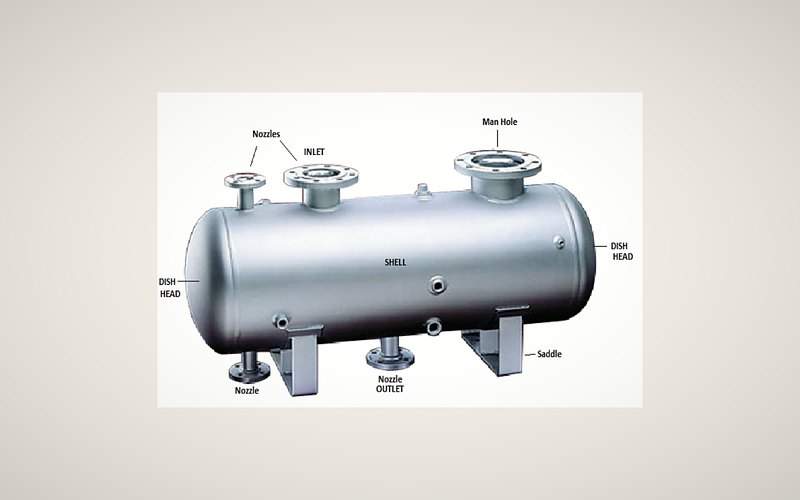
Micro modular reactor pressure boundary
Pressure-retaining and internal components at high temperature and multi-MPa, held to ASME III with creep, fatigue and manufacturability arguing at once.
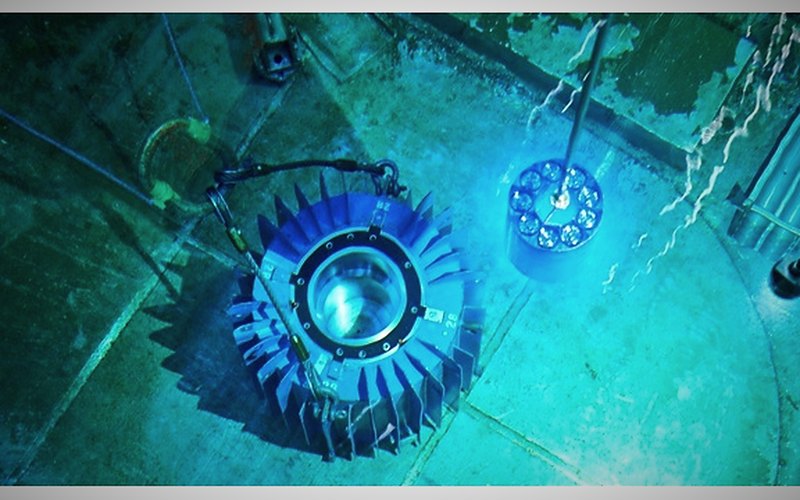
Cobalt-60 in-bay handling equipment
Handling and processing hardware for a nuclear bay where nobody can reach in to fix a mistake. CSA N285.0, ASME B31.3, Y14.5.
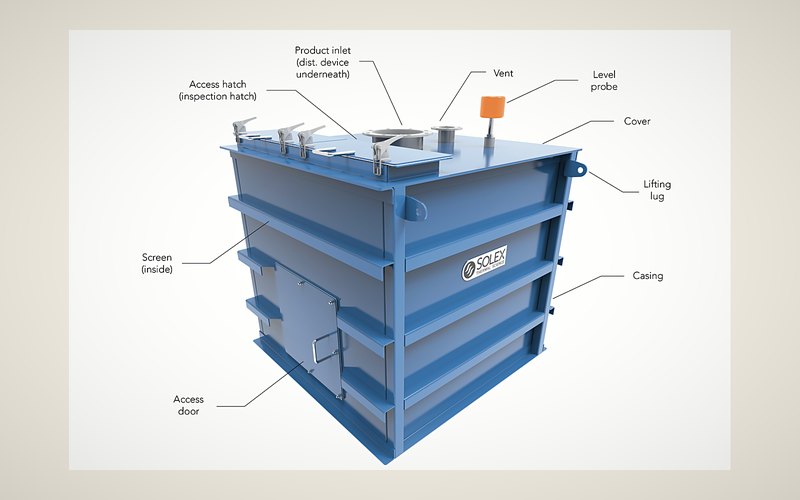
Moving-bed heat exchanger redesign
Sixty per cent out of the build time without giving back structural integrity, thermal duty or continuous-duty life. ASME VIII, CSA B51.
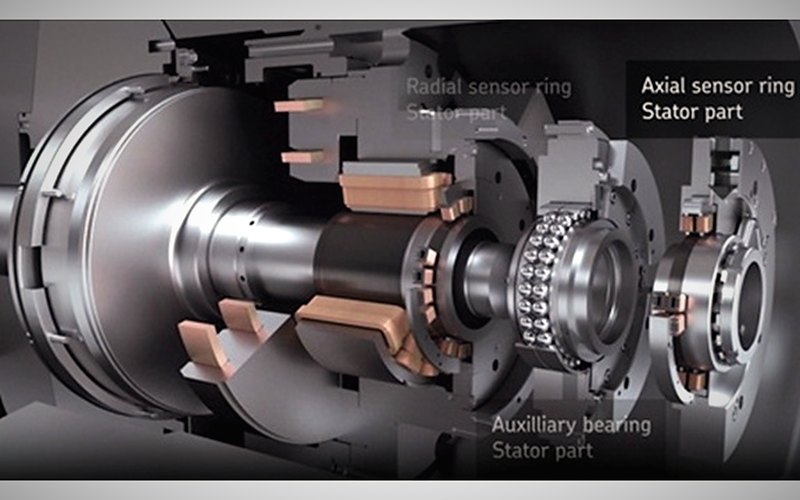
Maglev bearings & neutron choppers
Rotary magnetic levitation bearings and neutron-chopper assemblies for high-speed compression and wafer manufacturing. Validated by test, not by hope.
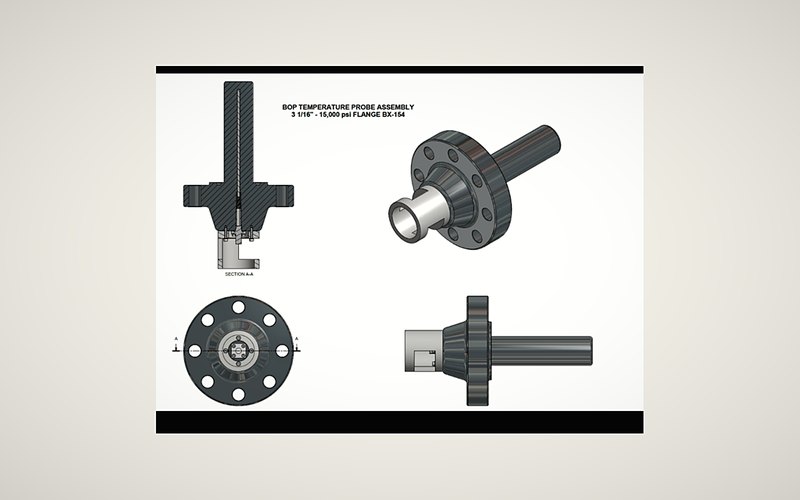
Smart lockout & high-pressure wellhead control
Twenty-plus prototypes in the first ninety days, then the tolerance-stack and field-failure work that turned them into product.
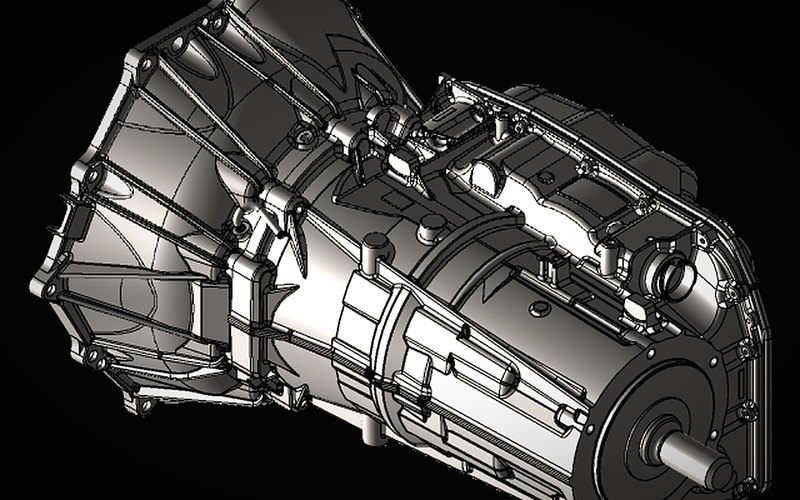
Truck bodies & vehicle structures
Seven years turning operational requirements into production hardware on a Nigerian assembly line, and building the configuration discipline that let it scale.
The Bench. Eleven tools, free, no sign-up.
The arithmetic I run often enough to have opinions about, rebuilt so anyone can use it. Every tool shows its formula, its assumptions and the clause it came from — so you can check it rather than trust it.
ASME VIII-1 pressure vessel
Shell and head thickness, MAWP and joint efficiency per UG-27, UG-32 and UG-16, with an allowable-stress table built in.
Open C-02Cooling load & airflow
IT load to air and water flow, ΔT, coil duty and redundancy headroom — sized the way a data hall actually gets sized.
Open C-03Pipe flow & pressure drop
Darcy–Weisbach with a real Colebrook–White solve, minor losses, Reynolds number and velocity sanity checks.
Open C-04Heat exchanger sizing
LMTD and effectiveness–NTU side by side, with correction factors and the area you actually need.
OpenSheet E-01
Can you draw a perfect circle?
My father could. I have never managed it.
So I built the instrument that would have settled the argument. Draw a circle with your hand and this page fits a minimum-zone annulus to it — the same construction a metrology lab uses to certify a bore — and reports your circularity as a real ASME Y14.5 value.
—/100

Where it starts
He lost his sight at seventy-five and kept working, because he had kept his workshop so ordered that his hands still knew where everything was. That is the entire engineering philosophy I have: put the discipline in early, where it is cheap, so the system still holds when a sense fails.
What I have been working out.
Working notes on codes, thermal design and the parts of the job nobody writes down.
The ΔT you assume is the plant you buy
Airflow is inversely proportional to delta-T, so the number you assume across a data hall decides how much cooling plant you buy. Most take it on faith.
Colebrook, and why I stopped using the explicit fits
Swamee-Jain is a good approximation and it is free. Iterating the real Colebrook equation is also free, converges fast, and removes an error term.
Rule #1 is already doing the work
Most drawings I review are covered in flatness and straightness callouts that the size limits already enforced. Here is what Rule #1 actually controls.
Sheet F-01 · Request for engagement
Have something that cannot be allowed to fail?
Mission-critical cooling, pressure equipment, advanced nuclear hardware, or a design review that needs somebody to argue with it properly.